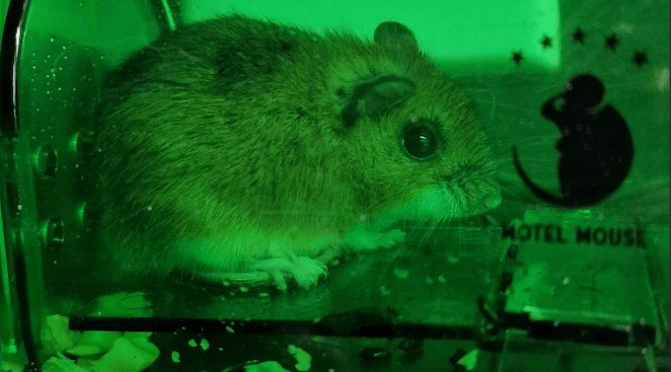
Over the Hedge, the DreamWorks movie about a raccoon and a ragtag group of wild animals invading the suburbs in search of food, is a common story around many U.S. neighborhoods. We have foxes, raccoons, opossums, deer, skunks, squirrels, birds…and mice. It’s the mice who may have stirred up a bit of trouble for us this winter. We weren’t sure, at first, but we suspected they had made their way inside, rather than just them scratching on the rooftop, when the bird seed bag had been ripped open. The maddening sounds of something scurrying in the walls was no less concerning than the tap, tap, tapping on a floor as the days went by.
Continue reading Basement Gardening by an Unlikely FriendCategory Archives: Nature & Garden
Multicultural Gardener
There are many things about having more than one culture that have been a blessing and a curse. Never really knowing which one you belong to or relate to is high up there. You also tend to see boundary lines differently than those who feel a strong sense of belonging to a very specific place. Always existing just a little bit outside of a culture used to bother me, but I think as I’ve gotten older I am more….ambivalent about it. That perspective extends beyond the intangible fealty to culture and civilizations and into the physical world.
Continue reading Multicultural GardenerRegenerating Life and Love: The Animals (and Fungi)
At the risk of forging through the gate this week with another complaint about the human species, I want to lead with a personal frustration I have when I hear individuals reduce the importance of a species that is going, or has gone, extinct with a flippant toss of the hair, followed by a casual “who cares?” This is often embedded within a conversation intended to discredit environmental programs that favor a small endangered organism over that of human interest. Well, I’m pretty sure I speak on behalf of the organisms at risk of becoming extinct that they care. They probably care a great deal. Moreover, we should all care. Perhaps, if we just took the time to realize their worth….
Continue reading Regenerating Life and Love: The Animals (and Fungi)Regenerating Life and Love: The Environment
Starting this week’s look into the environment and how it regenerates after trauma is a learning activity for me. I took some ecology and environmental studies coursework in my undergrad career, but as a biology major, my well of knowledge on the matter is fairly shallow and might hold no more than a few little row boats of information and wisdom. The first term I discovered in my research was: ecological succession (Witynski, n.d.). Primary ecological succession explains how life takes shape when a new island or other land mass is created, perhaps, by lava flows and results in a rocky terrain, void of any soil or plant life. Eventually lichens and other plants requiring little or no soil begin to appear, leading to grasses, then shrubs, then small trees until, finally, larger hardwood trees take over. After an extreme event that destroys an environment, a secondary succession takes place. This is similar, however, does not go all the way back to the barren rocky terrain phase. As the soil has been established it can pick back up with grasses, shrubs, and smaller trees.
Continue reading Regenerating Life and Love: The EnvironmentRegenerating Life and Love: Introduction
This morning I woke up thinking about the concept of healing. Specifically how nature has the ability to recover from disasters, and how, in some bleak cases, it might not. I set out to research nature’s restorative and regenerative abilities, only to find that, regardless of how I arranged and chose my search terms, the internet consistently thought I was asking how nature heals us. Humans.
Continue reading Regenerating Life and Love: IntroductionThe Nest
Plastic. It seems like every time I open up Reuters or BBC news app people are talking about plastic waste and the environmental impact. In our most recent history, it has been portrayed as something that is “bad”. Although, I don’t think that is a fair assessment for much of anything that ever has or ever will exist. Good versus bad is simply not a useful measure of things. Dichotomies tend to lack utility and often drive divisive conversations.
Continue reading The Nest