![A Power [Plant] Party](https://onehealthstories.com/wp-content/uploads/2026/05/whatsapp-image-2026-05-14-at-15.54.46.jpeg?w=672&h=372&crop=1)
A couple of weekends ago my friend hosted a power point party. In case you’ve not heard of this, this is where everyone puts together a power point on any topic they wish to discuss and presents it at the party. It sounds like work, and it sort of is, but it is also a lot of fun. I won’t detail all of the power points that were presented that day, but there was everything from how beavers are little ecosystem engineers, saving wetlands and forests to musing over what makes something a door or a window to using one’s own acid-fueled dreams to demonstrate the energy and water cost of AI by depicting said dreams as simple AI comics. That last one was both a comedy of comical comics as well as a sad realization to what we are doing to the environment for a few lolz.
Continue reading A Power [Plant] PartyTag Archives: garden
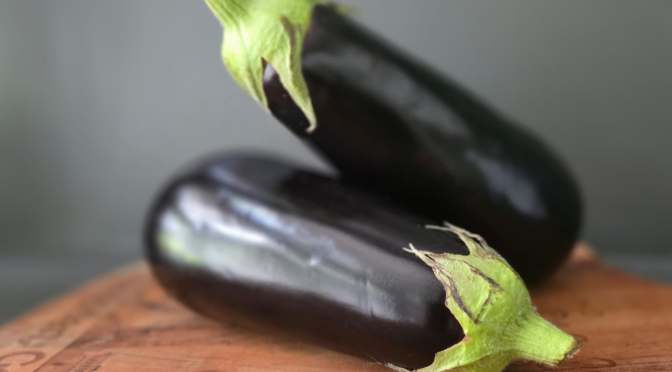
Eggplant!
- Origin
- Modern Cultivation
- Impact
- Nutritional Profile
- Dietary Concerns
- How to Eat it
- Recipe: Stuffed Eggplant
Origin
This was a little easier to parse out than the broccoli origin story. Turns out, wild type aubergine originated on the eastern parts of Africa1 (notably, from Kenya to South Africa) and spreading outward towards the west. In a single event, however it made its way to India and East Asia where the cultivated strains predominately begin. This certainly explains why there are so many amazing dishes featuring eggplant/aubergine at Ethiopian restaurants, as well as Indian and Chinese restaurants.
Continue reading Eggplant!
I Think We Are Being Invaded by Aliens
First there was one pile. Then a second. A third, fourth, fifth….I’ve lost count. I’ve stopped paying attention to how many piles I am finding, and have grown more interested in the color changes this life form is experiencing. From yellow to orangish to white. This extra terrestrial looking creature seems to bleach in the sun like coral in the reefs. It even looks like coral – well, up close it does. When you see it splattered about in a pile when it first appears, it definitely brings to mind the look of bile and foam that’s just been hacked up by your canine companion. The species: colloquially known as Dog Vomit Slime Mold.
Continue reading I Think We Are Being Invaded by Aliens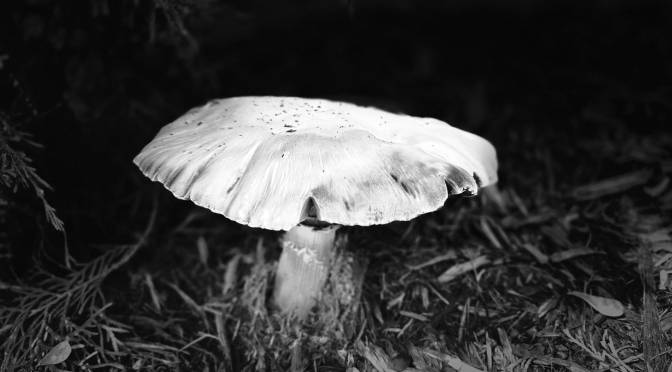
Mushroom: My Latest Side Quest
There’s not mu[c]h-room in this backyard for a beast like this one! But it looks like such a fun-g[uy]! No? Fine – I’ll stop, but I’m sure it’ll disappoint all the dads out there.
Continue reading Mushroom: My Latest Side Quest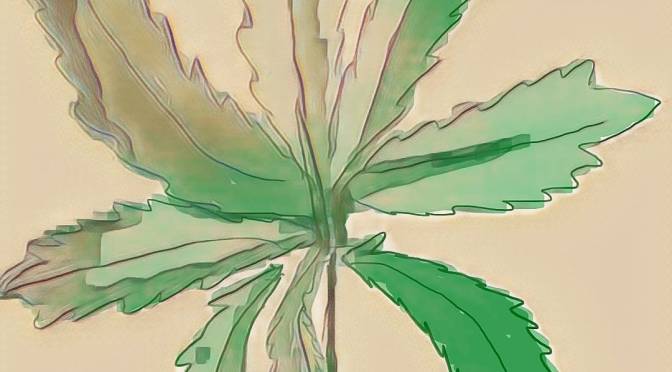
Let’s Hash Out the Ecology of Cannabis
There has been a smell in the air these days, pretty much everywhere I go now: the grocery store, festivals…my backyard. It has the scent of someone who has wandered the forest for days without access to a shower or any modern hygienic amenities, having spent their time wrestling skunks and other manner of wildlife. When you smell it, you are all too aware of what it is, and has become a rather ubiquitous odor in modern society, of late. The grand smell of weed. Marijuana. Mary Jane? Pot! Reefer?! Okay, it has a lot of names in English, and can even go by their vernacular ‘sativa’ and ‘idica’, partially bastardizing the generally agreed-upon species delineation. The reasons for all of the various nicknames is likely as diverse as the names themselves. The real (albeit, general) name, however, is Cannabis (or Hemp, more on that in a second). There is even a debate on taxonomy and classification (is there one plant with different phenotypes or three separate species? The jury is still out).
Continue reading Let’s Hash Out the Ecology of Cannabis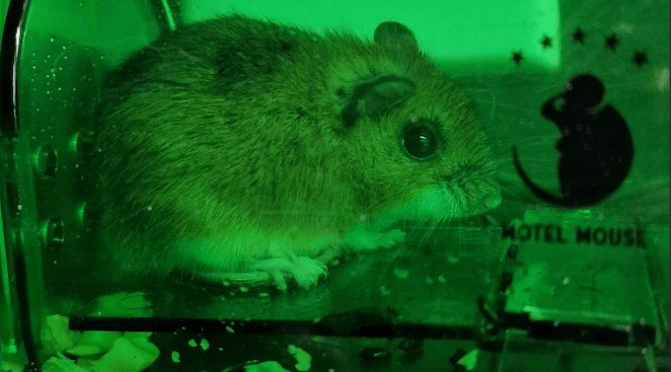
Basement Gardening by an Unlikely Friend
Over the Hedge, the DreamWorks movie about a raccoon and a ragtag group of wild animals invading the suburbs in search of food, is a common story around many U.S. neighborhoods. We have foxes, raccoons, opossums, deer, skunks, squirrels, birds…and mice. It’s the mice who may have stirred up a bit of trouble for us this winter. We weren’t sure, at first, but we suspected they had made their way inside, rather than just them scratching on the rooftop, when the bird seed bag had been ripped open. The maddening sounds of something scurrying in the walls was no less concerning than the tap, tap, tapping on a floor as the days went by.
Continue reading Basement Gardening by an Unlikely Friend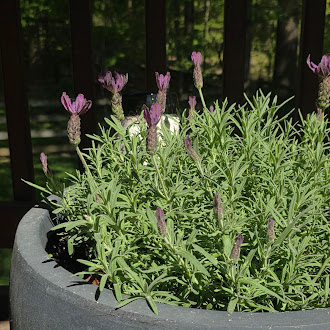
Multicultural Gardener
There are many things about having more than one culture that have been a blessing and a curse. Never really knowing which one you belong to or relate to is high up there. You also tend to see boundary lines differently than those who feel a strong sense of belonging to a very specific place. Always existing just a little bit outside of a culture used to bother me, but I think as I’ve gotten older I am more….ambivalent about it. That perspective extends beyond the intangible fealty to culture and civilizations and into the physical world.
Continue reading Multicultural Gardener One Health Stories