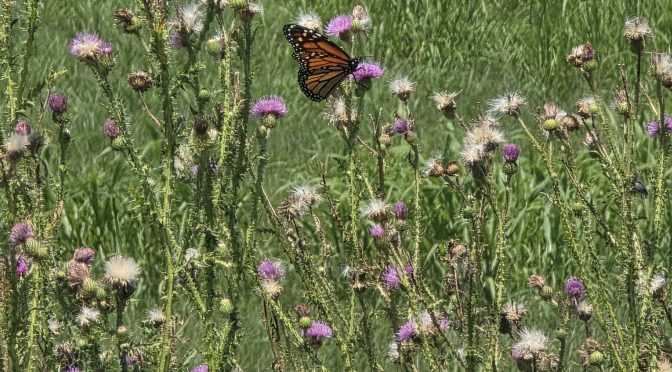
The Trump administration recently revised a couple key components of the Endangered Species Act (ESA). One of which has to do with how a critical habitat is handled in the case of new construction. In this case, critical habit pertains to wildlife, and not humans. The Department of the Interior states the following change:
Critical habitat exclusions (Section 4(b)(2)): Revises the “critical habitat” designation process to follow the law and consider the economic, national security and other relevant impacts following the designation of any particular area as “critical habitat.” The revision also allows an area to be excluded from a “critical habitat” designation if that exclusion will not cause the extinction of the species.
Essentially, there is no longer a robust protection for species listed on the endangered or threatened list if their home and habitat is in the way of some farmer or developer. Looking at the impacts this might have on the species for whom this change affects, as well as the people in these spaces, it does not look hopeful. The reasons of economics and national security concern human power and wealth while “other relevant impacts” leaves the door wide open for loose interpretation that could potentially set more harmful precedent for the natural world. When one considers all of the cuts to science and the evangelical MAGA leadership appointed to lead the scant remaining scientific communities, it is hard to trust that there will be enough resources to make the determinations necessary to identify the possibility of extinction from the disruption of a critical habitat. Furthermore, is this even what the voters of this country want?
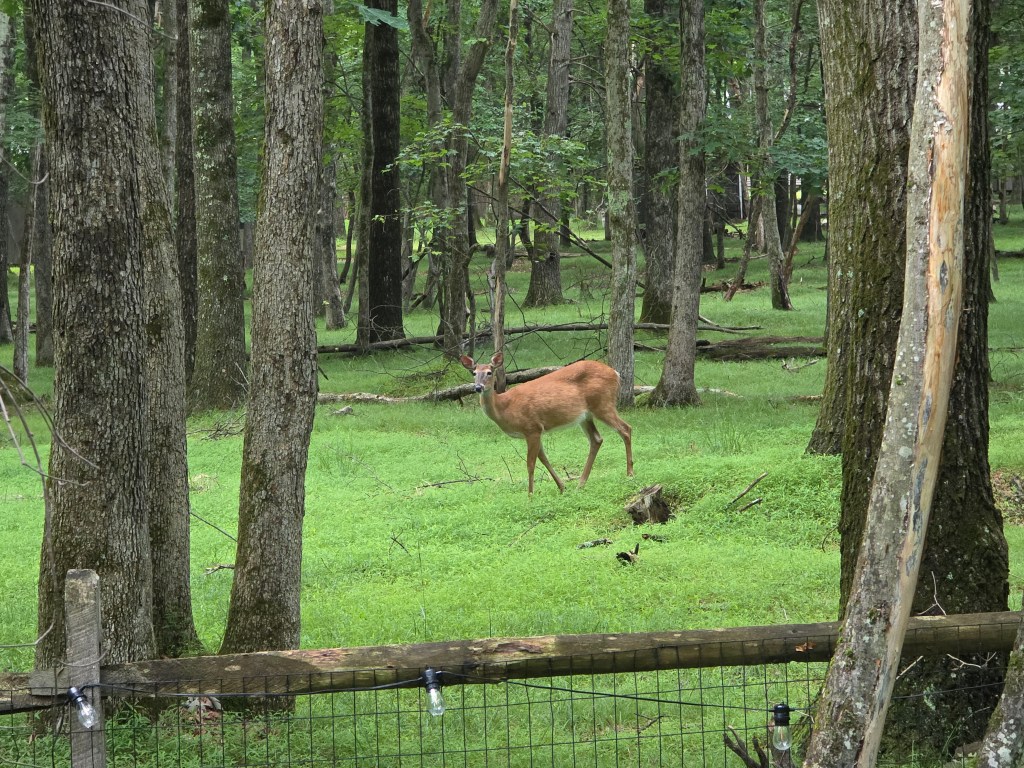
First, let’s consider a group I have long felt were the original conservationists: hunters, especially indigenous hunters. Hunters (not big game, millionaire douche bags, but regular folks who live off the land) require a healthy ecosystem with a strong balance of biodiversity. Too many deer, for instance, results in malnourished deer with a greater spread of disease. Not enough deer affects the health of predators and potential overgrowth of certain plants. Bison improve plant biodiversity, grasslands, and are a major part of indigenous food sources. With what appears to be a carte blanche for developers to plow over habitats with complete reckless abandon, the animals that rely on those spaces for nesting, feeding, and thriving will be negatively impacted and every species up and down stream of that food chain will feel the ripples of loss – including humans.
Another, and more central, argument the Trump administration makes is around building permits and the headache the ESA causes to developers, but is that even true? If so, how problematic is it? For this, I turn to a second voice in this conversation: property owners. A team of economists evaluated the total burden of the ESA on land value and found minimal to nearly zero effect within, and just outside of, areas with restrictions from ESA policies and protections. They did find some significant effects when considering single species (i.e. the pygmy owl or monarch butterfly), stating that the data was inconsistent and would possibly benefit from local governance; but, in general, the ESA actually had more positive effects on property values, especially those just outside of the protected spaces. The reason being is that people actually like and appreciate their homes buttressing protected lands that will remain wild and natural. While the data are nuanced, the prevailing complaint came from the time it takes for approval of building permits when a listed species or critical habitat exists on the property.
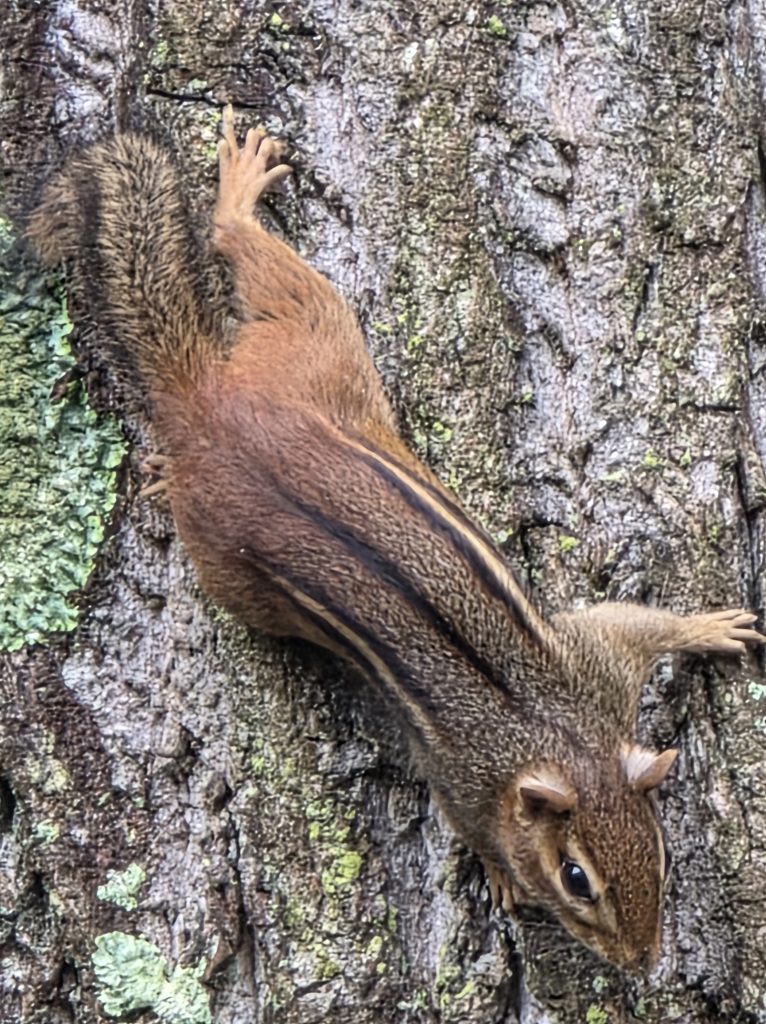
But let’s discuss a third voice in this debate: the wildlife. These are beings, plants and animals, who are voiceless in our governments. They hold no representation in congress, can’t run for president, and are powerless against the destruction of man. I’m certain I would be hard pressed to find someone who did not agree that most everyone hopes for very little in life. Good health, access to food and clean water, a safe and comfortable home, and, in the case of social beings, companionship. Yet, many of us go through life giving little thought to granting the same welfare to life outside of the human species. Policies and efforts are generally reserved for those with a voice, and even that can become markedly questionable, given our crisis of the unwell, unemployed, and unhoused members of our population.
Home is not a concept owned by humans. Home belongs to us all – it merely looks different as you move through each species. A nest, an underground tunnel, a field, the space behind tree bark – these are homes to someone. The least we could do for them is debate the morality of destroying theirs in a conquest of building ours. Or, as is usually the case in the U.S., erecting another strip mall or suburban field of poorly constructed homes while city buildings are abandoned and left in disrepair.
The modifications and potential repercussions behind the thoughtlessness of Trump’s agenda is an assault to all of us. It is a multi-species injustice. When the bottom line is money, power, and wealth, everyone loses. Imagine we are one of the final dominos to fall…what will we see? What will the Earth look like? There will be silence as the crickets and birds stop chirping. The colors will fade as the pollinators and flowers wither away. The wetlands will dry up with the amphibians as the beavers fall.
Everything co-evolved to create a system so perfect for us all to thrive, each with a job to do to keep the balance of the one system we all call home. Our anthropogenic behaviours are catalysing the destruction of ecosystems, stable climates, and the survival of one another. Yet, the most startling part of this story is how one man, a single human being, dreamed up this dark and twisted world whilst his henchmen have executed his villainous plans, leaving more than just the endangered and threatened species helpless to defend against the ego of billionaires and cruelty of craven men. We are not without guilt, either. As citizens and consumers, we have created a demand and a permission structure for this type of filth to penetrate our highest offices. We fell asleep at the wheel and stopped thinking. We stopped acting. And as long as we were unaffected, we looked the other way.
It is hard to say how we will all fare in two years whilst these policies remain in place. Much like a slinky that has been stretched along a plane, it takes time for the farthest end to spring back to the other. The damage won’t suddenly repair with the election of a new president who brings in positive environmental protections. Our nation is continuously short-sighted, always voting for someone “different”, so without consistency and law, presidential agendas will yo-yo our native species to the brink. My heart breaks for them and for my son and future generations who may never marvel at the twinkling of the fireflies, hear the chorus of the spring peepers, or feel the crisp, clean waters of a stream trickle over their toes.
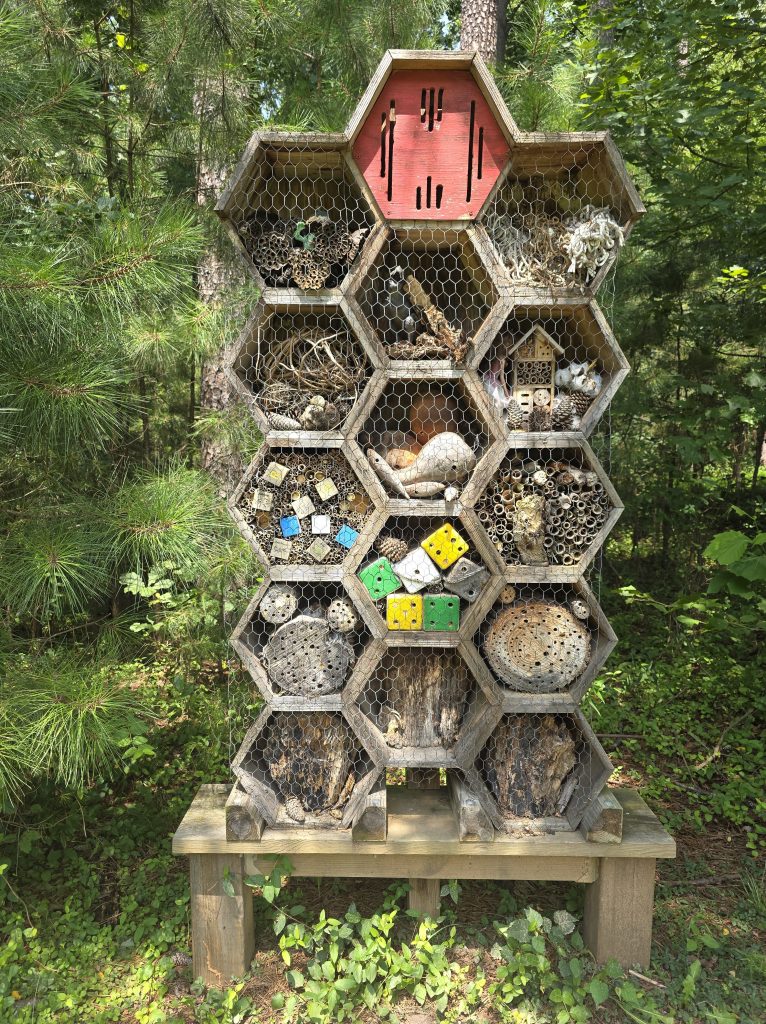
My final thought on the topic is this: just like humans don’t need a bible to teach them how to be good and generous citizens, we don’t need policies to teach us how to care for the environment. Your backyard or balcony is a space you have to give back to the natural world. Whether in the ground or in pots, plant native species. Build insect homes. Throw rubbish away in a bin. Leave wild spaces better than you found them. We all have agency to make change and be better than the policies of our president. And vote.
Discover more from One Health Stories
Subscribe to get the latest posts sent to your email.

