
This was the name of the summit I attended last week, hosted by Ecoversity. The focus: permaculture. It was three full days of information, so I won’t go into detail on what all was covered, but I was surprised to learn how adamant each of the speakers were about WHAT permaculture means.
Essentially, if you think it is just about gardening, you’re wrong. Don’t worry. So was I. I thought it was a strategy to bring in re-wilding and food forestry as part of one’s landscape design. Although re-wilding was certainly part of it, and food forests were a popular topic as well, each presenter implored us to think beyond gardening. Permaculture is systems thinking. It is about building communities and buildings with nature and culture in mind. Returning to the environment what we’ve taken. Building environments that restore and maintain everything from the soil to the air. And, lastly, asking the Earth – the ecosystems – permission to alter the land.
That last one may seem silly to most of us, but it is an idea that asks us to be more aware of what our intentions are with the land. Who will it serve and in what capacity. Then thanking the land for what it has provided – whether food, shelter, community, or peace. What I have come to understand is at its most fundamental level it is about indigenous wisdom. So many of the speakers who saw themselves as protectors of the Earth were also indigenous women – a running theme I see between the interbeing of feminism and environmentalism.
Regeneration.
Resilience.
Reciprocity.
The second pillar of permaculture, for me, was in the importance of story telling. Story telling as a means to acquire funding for projects. Story telling as a means to pass along knowledge from generation to generation. Story telling about the people who inspire change and stand up for mother nature and marginalized societies. It is through these stories that we understand our worlds, past and present.
Knowledge memorialized in story is knowledge accessible to all for as long as the story is told
Our collective ontology in much of the U.S. is one so disconnected to nature that we manufacture and engineer connection to the Earth without ever touching soil or hearing the wind rustle through the trees. I don’t mean plodding through the yard with shoes on or passively realizing the wind is blowing, but truly feel, listen, and breathe in the awareness of everything natural around you.
Finally, I’d be remiss if I didn’t mention how completely intertwined this concept of permaculture is with One Health. The message is so similar between the two disciplines. We are not outside of nature, but we are part of it. We can build ourselves into sterile, plastic worlds, but our bodies will decompose just the same. Without the outside, our wounds can not heal inside. If you take away a person’s access to the natural world, they will be forever lost.
I heard one speaker say that most people can name and identify 5 brands (clothing, car, etc.) without any difficulty but will struggle to name 5 trees that grow around them. This was a sad thought and is part of our illness. How many trees or plants can you identify by sight?
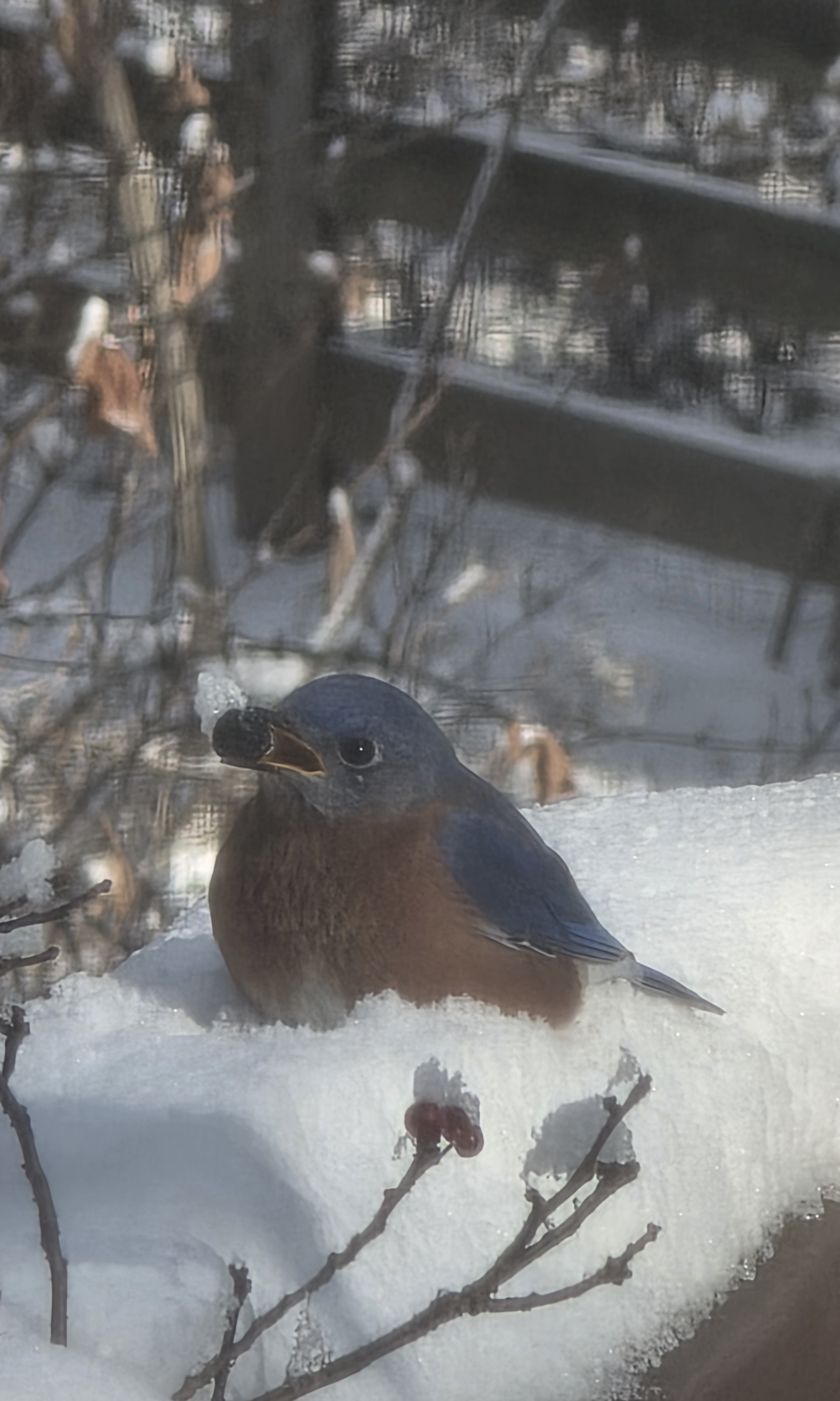
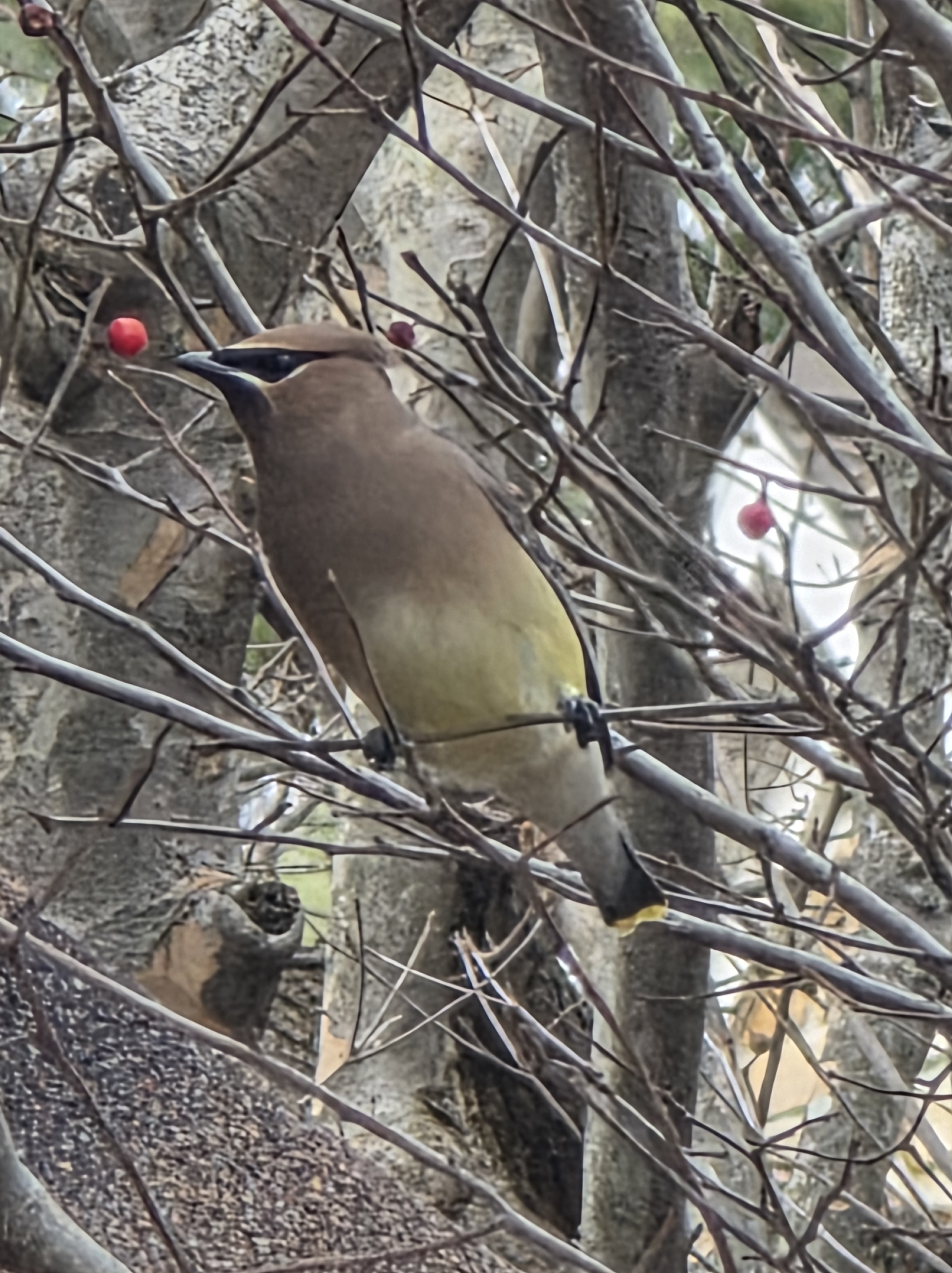
I’ll go first. The trees I can identify in my garden are: pignut hickory, tulip poplar, birch, dogwood, fig, ornamental plum, and winterberry (a favourite of the birds that stick around or travel south – as seen below).
Discover more from One Health Stories
Subscribe to get the latest posts sent to your email.
 One Health Stories
when I started reading Native Americans came to mind right away. They have been one with nature forever.
LikeLiked by 1 person
Exactly. I’ve always admired their connection and relationship to the natural world. Yet, we continuously silence them. It’s infuriating.
LikeLike