

At the risk of forging through the gate this week with another complaint about the human species, I want to lead with a personal frustration I have when I hear individuals reduce the importance of a species that is going, or has gone, extinct with a flippant toss of the hair, followed by a casual “who cares?” This is often embedded within a conversation intended to discredit environmental programs that favor a small endangered organism over that of human interest. Well, I’m pretty sure I speak on behalf of the organisms at risk of becoming extinct that they care. They probably care a great deal. Moreover, we should all care. Perhaps, if we just took the time to realize their worth….
The vegetative landscape can not survive without species from outside of their kingdom – they rely on everything from microorganisms in the soil and along their root systems to large fauna that graze and deposit seeds via their fur and feces. After the Mount St. Helens eruption, there seemed to be nothing remaining of the forests and what once was. The most notable loss for people, outside of human lives and dwellings, were the trees and other vegetation; but, there was also a massive loss of animal lives who called this forest home. The biodiversity is extensive in the Gifford Pinchot National Forest and according to the U.S. Geological Survey (USGS), the waters and subterranean systems of the forest were the first to recover from the aftermath of the volcanic eruption.
Mount St. Helens
I don’t know if ecologists consider the pocket gopher a keystone species, but I think they should. Here me out…in addition to being badass survivors of a massive volcanic event, they helped to heal the land.
Wait, rewind…first, we need to understand which species had the highest survival rates. The USGS found that the smaller the species (and the smallest members of those species) had the highest survival rates. In addition to size, habitat, biological factors, and migration all played a role in the odds of survival. In general, the wildlife that exist underground in some capacity had an advantage as they were protected by the earth when the lava and ash flows came rushing down and the smoke filled the air. This also includes other living beings, such as Fungi. Spores and fungal species that live in the soil and along roots were able to not only survive, but to help other critters improve the soil conditions to make it conducive for regrowth of various plants and trees.
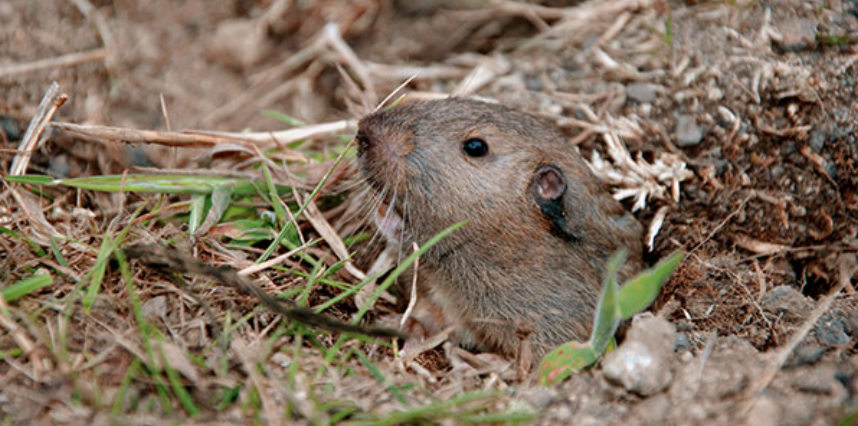
Pocket gophers (as well as prairie dogs, voles, moles, and other similar species) are known mostly by humans as pests. We have ground hogs (different from pocket gophers) where I live and I can confirm that they love burrowing underground, disrupting the habitats of the local suburban fauna and their green landscapes. Apart from making sure I don’t hit them with my car when they irresponsibly decide to not employ the use of the crosswalk, I consider our little groundhog neighbors adorable and amusing. Although I understand the instinct to find their digging habits to be a nuisance, it isn’t without reward.
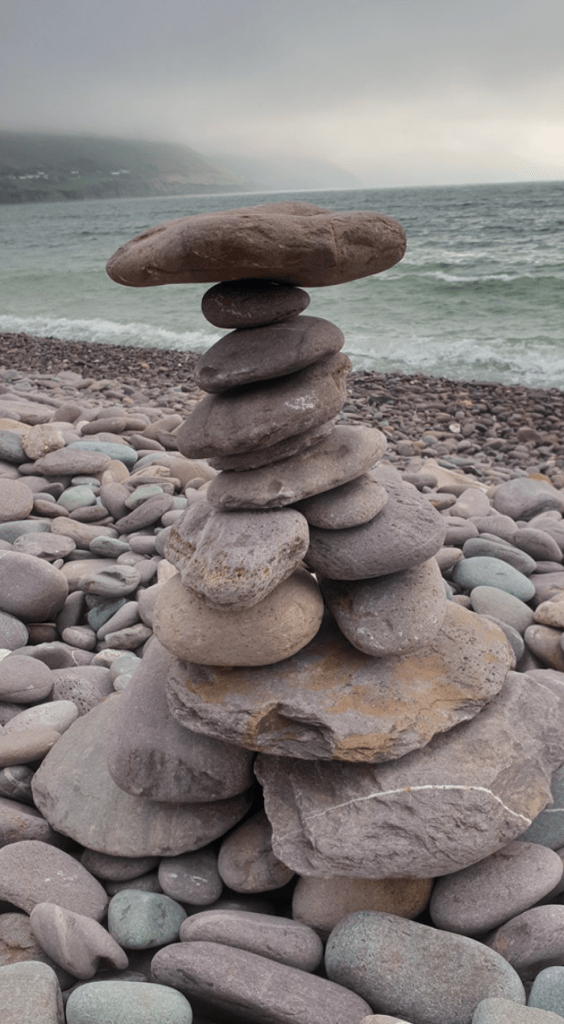
What are pocket gophers doing when they create these underground tunnel systems? All things affect our environments and range from autogenic (changes occurring from within a system) to allogenic (changes occurring from forces outside a system, like wind or even human behaviours)1 (Reichman, O.J. & Seabloom, E.W, 2002). These little guys are doing a bit more than leaving a footprint behind and are therefor considered ecosystem engineers; although, I’m still not certain if their changes are auto- or allogenic, on account of them being a part of that ecosystem.
According to Reichman and Seabloom (2002) the activities of pocket gophers are significant and their studies, along with other researchers, show that the soil displacement, root noshing, and social (or, perhaps it is antisocial? Or do they just respect boundaries?!) tunnel formations all contribute to changes in soil complexity, plant biodiversity, and increased biomass in some areas (such as, between tunnel systems) and decreased plant biomass in other areas (such as on the mounds or above the tunnels). They also observed larger plants growing in the regions of lower biomass, likely from the reduced competition for resources. What would that mean for a landscape freshly devastated by a volcano? Well, other than the brilliant survival of this rascally little rodent, which is its own success, it also meant that someone was there to rework the land. Once vegetation returned, so did many of the animals. Everything from animal feces, seed distribution (wind, birds, herbivores), stomping, and mixing helped to slowly bring the scorched Earth to meadow land, then to new growth forests. Unfortunately, much of the space is still more meadow, so the alpine creatures of the area have yet to fully return, or return at all. This will likely change as the forests regrow, assuming they do.
According to the USGS, the waters were another ecosystem that recovered fairly quickly at the start. With fish and aquatic vegetation returning to the streams and lakes, that also meant birds, wolves, bears, and other terraforming creatures could wander back. As far as I could tell, there were no niche animals in the area that went extinct, and the surrounding areas were able to help rebuild and repopulate the blast zone. That said, along with the abiotic processes that helped to reshape the lower and upper zones affected by the eruption, the animals that survived, the humans that protected, and the plants that showed great resilience (either from deep taproots to protected seeds), the forests have been slowly returning. This regeneration is not likely out of love. I’m not entirely convinced that the pocket gopher had any strong affection for the other species in the area. Also, since gophers like desolate, “de-forested” spaces, they were aptly suited for the task.
We like to romanticize nature and apply emotion to the most fundamental processes of survival. But I don’t think it is necessarily horrible to redefine love to capture this dance between symbiotic organisms in their attempt to live and rebuild. In my relationships, defined by a mutual affection we might call love, you will find a symbiotic ecosystem in which there is safety, community, protection, and shared resources. I feel, and I hope that those I love in return also feel, a space to thrive, grow, and find peace. Even in the presence of a stranger, where there might be anxieties or discomfort, we all generally share a mutual desire to keep one another free from harm. In this sense, I believe the gopher loves their neighbor – whether a tree, a snail, or another gopher – and wants to know they are thriving, growing and at peace. Even if they could not give two sh*ts about Farmer John and his soy bean crop.
In the end, the Mount St Helens eruption has taught us a lot of lessons 40 plus years on about the resilience of plants and animals. What always seems to come back over and over is that the small are mighty. They create the systems that allow our giants to exist and amass their great size, so we should never discredit an organism because it is small. Small is not insignificant.
Notes:
- Autogenic and allogenic have various meanings, depending on who is using the term, such as geneticist, geologist, or biologist. Here, we are using the geological definition where, although broadly meant to reference abiotic environmental processes (wind, floods, etc.), it can also mean human activity (like building the cairns, maybe!)
References:
https://www.usgs.gov/geology-and-ecology-of-national-parks/ecology-mount-st-helens-national-monument
https://www.sciencedirect.com/science/article/pii/S0169534701023291
https://www.nwf.org/Educational-Resources/Wildlife-Guide/Mammals/Pocket-Gophers
https://storymaps.arcgis.com/stories/1f4b3bef156642f9ba8f590aab54dd2c
Discover more from One Health Stories
Subscribe to get the latest posts sent to your email.
 One Health Stories
One thought on “Regenerating Life and Love: The Animals (and Fungi)”