I am going to pivot a bit on this one – bail on the format I was previously using (see my first three in the Regenerating Life and Love series: Intro, the Environment, and Animals and Fungi). When it comes to Mount St Helens, it is true that tourism, the logging industry, and other human activities have resumed in the area, but I am not certain how I feel about some of our resilience in the aftermath of this particular catastrophic event. When we speak about systems in nature regenerating life, we often look at them in terms of returning, recovering, and perhaps even overcoming (a forest fire might open up coniferous seeds to yield new forests or a species returning to spawning areas after an oil spill). We like things we can measure and track over time. Useful as that might be, it tends to also ignore the grey spaces of regeneration and healing. And for the human factor, this might be the most important bit.
Healing in Nature
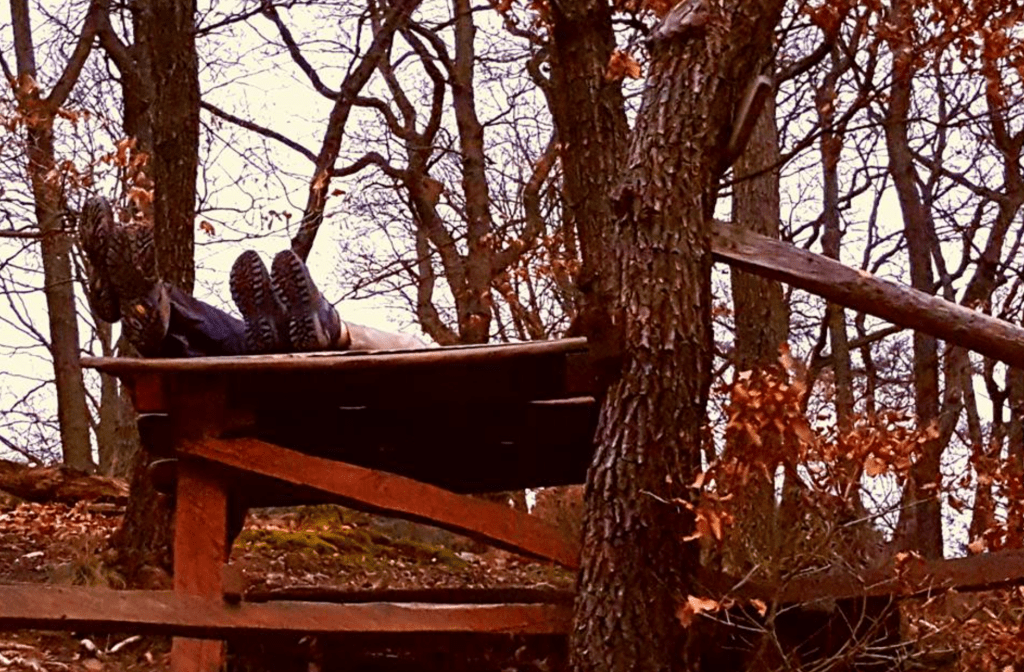
When we look at human stories, we love the tales of recovery and perseverance as well, but I’m not entirely sure that it is regeneration – not as an individual nor a species. When it comes to healing in nature, I think of people, stepping outdoors to allow the fresh air to spill into their lungs while the sun hits their skin, sending warmth throughout their bodies. Deep within our bodies there is a conversion of oxygen as it grabs hold of our red blood cells and a synthesis of Vitamin D as it traverses our liver and kidneys, and thanks to what the universe has supplied, our tissue and skeleton are protected. I also think of the peace and uncomplicated way in which nature allows us to be our authentic selves, where time seems to stop, and the presence of a bumbling bee, busy robin, and swaying tree branches set our minds into a calming cadence.
As our hair and nails regrow each day, our wounds heal, and our organs repair, we can see physical regeneration within an individual. Some of these abilities are aided by the foods we eat or the medications we take, but our bodies are incredible vessels, capable of so many physical processes at one time. This is, however, impossible without the world we have today. We evolved for it and within it. This is us, healing in nature.
Healing with Nature
When I think of how we heal WITH nature, I see a space that is deeper and more rooted in the empathy we have for one another, animals, and the environment. Healing with, however, is harder to do. In our busy world where productivity is paramount, we often find ourselves sitting outside of the systems of nature. We might not even make the effort to pick up a piece of rubbish that we see in the forest because “it is not our job” or because “we didn’t toss it on the ground, therefore, it is not our burden”. The tree can not pick it up and throw it into a bin. The animals who do snatch it up might use the trash as bedding (see my post, The Nest), or worse, attempt to consume it. So, as we take our hikes to “rejuvenate” our bodies and minds, we do so for ourselves, but never really for nature.
Many of us alive today were born into the world of existing outside of nature. I do not mean we were born in the city. If we were born into farming families, we were likely raised to see the land and the animals as exploitative or in terms of their ecosystem services: soil for monocultures or cattle for dairy or meat production. At least…the services we care about and that pander to human existence. When the UN or WHO consider disease and starvation, they tend to focus on the depleted lands that support human civilisation. That is not a criticism. I understand the value of feeding and caring for people, especially the marginalized groups around the world. But how we view barren lands or how we overburdened productive lands without considering the future has caused serious harm to our planet and to our empathy.
We must learn to heal with nature, rather than just in nature. I’m not a psychologist, but as a person who has been many things, I know that it is easier to look away and let someone else deal with it. But I also know that in the moments I have been more present, and more empathetic towards nature, I found myself tending more to the world around me and my days ended with more meaning. I have never regretted picking up trash on my hike and bringing it to the rubbish bin. Nor have I ever felt remorse when I’ve planted native species in my garden or saw a blanket of bees enjoying the clover in my yard (with a caveat of stating I do not suffer an allergy to them). I suppose it is my feeling that giving back to nature in some way does not take away the benefits of being in nature. A person can still feel the air and the sunshine and lumber along through ancient forests or rolling hills whilst finding small ways to show gratitude and give back to the very Earth that has allowed us to be here.
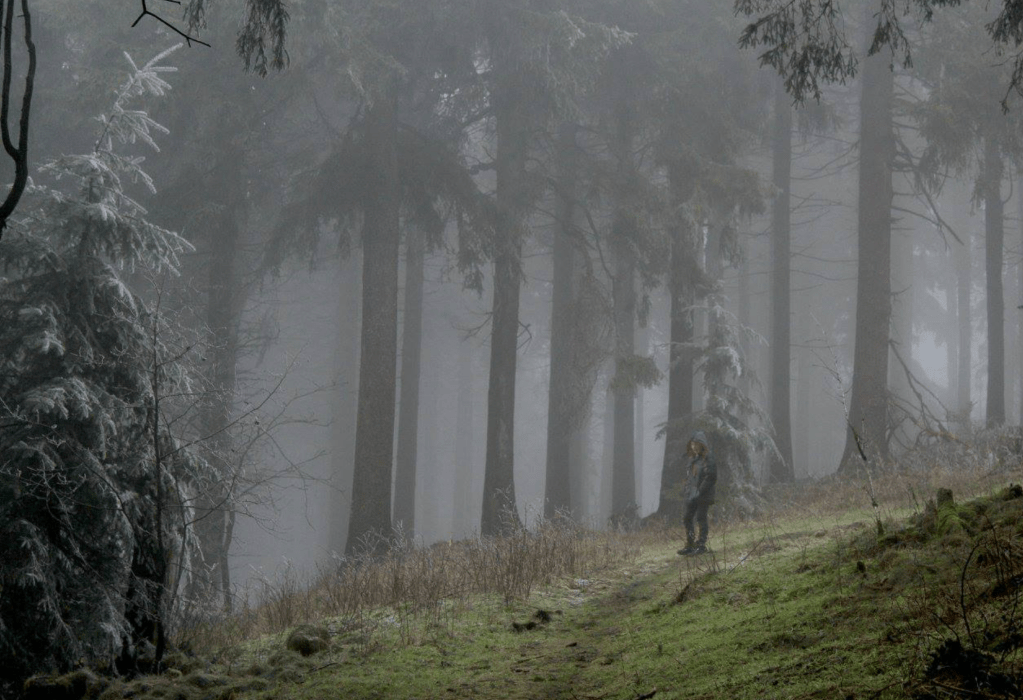
My story for this post is simple and personal. I have Seasonal Affective Disorder. Well, I have what I believe is Seasonal Affective Disorder. I get the winter blues if I am not careful. It manifests as months of rumination, frustration, and this constant feeling of dissatisfaction with my life and myself. We play a lot of board games and try to stay active as best we can as a family, but sometimes it just isn’t enough. When we lived in Germany the winters were so grey that we ended up passing on an opportunity to live in the UK for fear of MORE GREY. That said, you can’t keep a German inside. Whether freezing temps, rain, or sun, Germans will still go walking, and outdoor dining does not disappear in the winter. Once we returned to the US, however, we still had grey winters, but American grey winters. That really just means living a very, VERY indoor life. So, from about the end of November until the end of March, life feels bleak.
However, once the first warm day hits it is like a veil just falls from my body. A veil that was heavy and at times a little sinister. A malevolent force that weighs my soul down, and within mere seconds, the warmth of the sun melts it away. I understand the science of the sunlight and vitamin D production, as well as the sunlight hitting the retinas of my eyes and the physiological processes of the benefit of stepping into the light, but there is something more – something so inexplicable that putting it into words could never do it justice. It is as though I forget, just for a moment, the bad, the stressful, or the manufactured worries of my human existence.
The side effect of this feeling is always a desire to garden; hike; celebrate Earth Day and Arbor Day; become a park ranger (yes, this happens every year, until I remember I would still have a job to do on the rainy, snowy, and cold days); shop only at farmer’s markets; and the list goes on. Some of these ideas are more realistic and attainable than others. My point is that just stepping outside, for me, is healing and was a gift bestowed upon me by Mother Earth, herself. Having a strong empathy for nature always leaves me wanting to give back. In winter, when I feel isolated from the Earth, imprisoned in my fortress of human existence, I suffer and it makes me realize how much more nature has given to me, than I to it.
We can’t prevent volcanic eruptions, hurricanes, earthquakes or any other catastrophic events of which the Earth is capable. Some might argue that they may even be necessary for life to carry on – to encourage the regeneration of life. I think it is also clear, however, that the rate at which some of our recent events are occurring might be more than this world can handle. Perhaps we need to focus more on regenerating the love, or compassion, we have for our home.
Discover more from One Health Stories
Subscribe to get the latest posts sent to your email.
 One Health Stories