
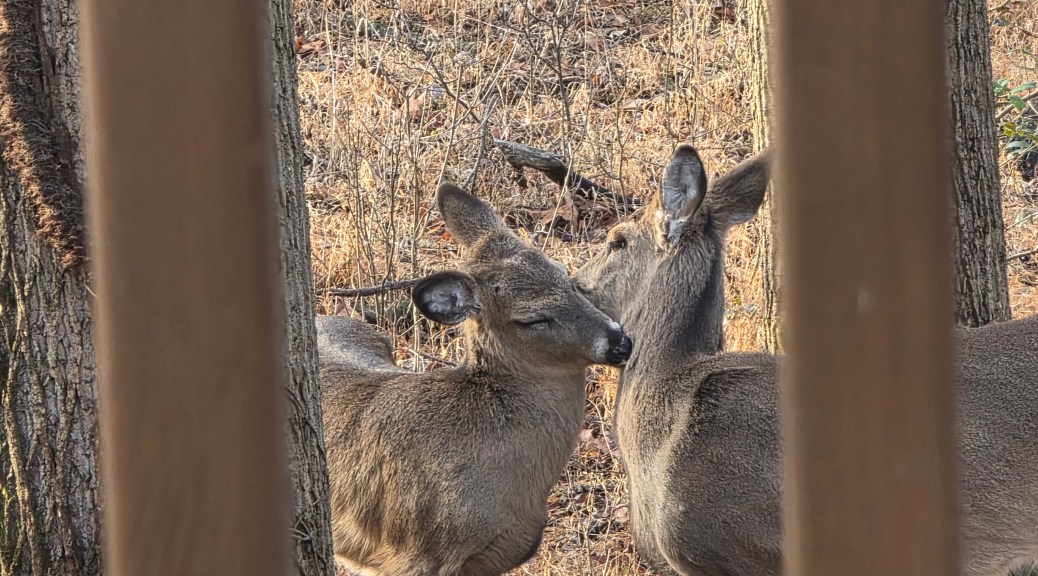
I think language is a fascinating thing. More broadly, I find how we communicate as we move through this world to be an incredible function of all living systems and beings.
Human language, whether written or spoken, is the method we think of most often. But, we can also use symbols and icons or other pictures and images, as well as body language. My favourite is the giant toothy grin plastered on American faces, relative to the deadpan stoicism of other, more homogenous cultures. Having once been the pride of our country, the great melting pot of cultures demanded that we indicate friend over foe, and thus emerged the iconic smile of the American people. We’re not “crazy” – we’re just surviving!
Human language has also evolved to become more inclusive as we formed communities and societies, bringing in brail and sign language for those unable to see or hear. With technological improvements, computers, and smart phones, there are text readers, audiobooks, translational tools, glasses for color blindness, and technology assistants for individuals with dyslexia and macular degeneration. Every advancement designed to improve the exchange of information and ideas and enhance a person’s quality of life.
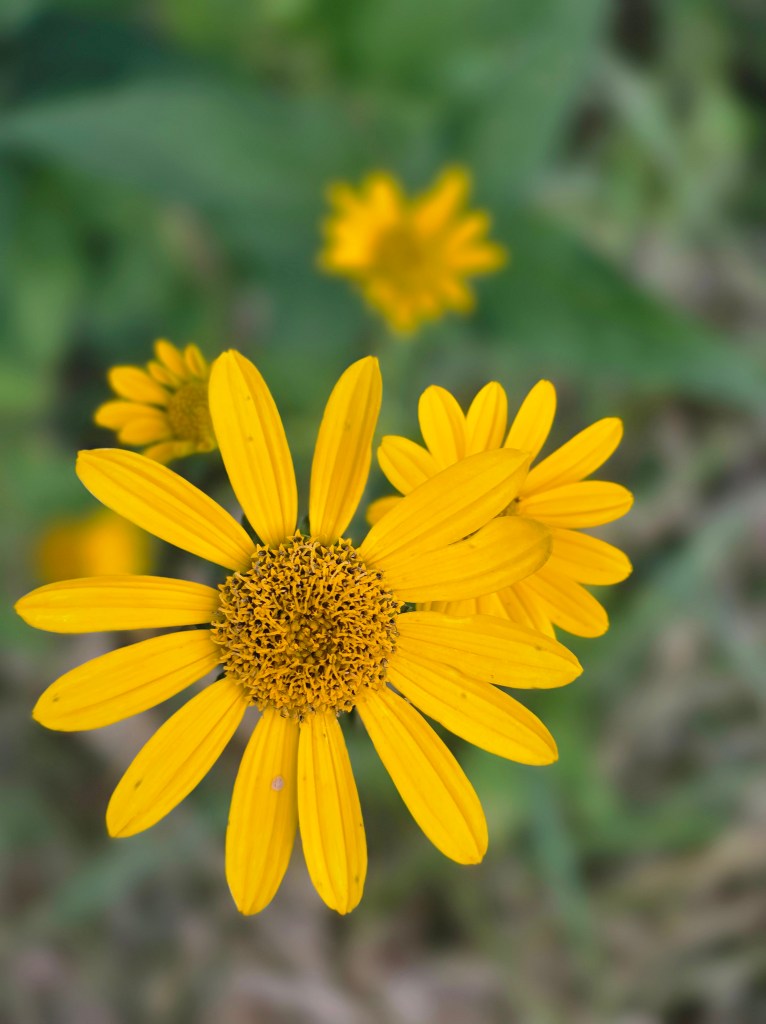
Side quest: I recently watched the movie, CODA (Child of Deaf Adults). There is a scene where the hearing daughter is asked by the music teacher why singing is so special to her and she finds herself struggling to answer using spoken language. She defaults to her first language: sign language. The movements of her hands coupled with the expression on her face, I understood every bit of emotion she hoped to convey, perhaps even better than had she said it, out loud.
There is a power in nonverbal communication.
Within every living being there are tiny little signals that occur within a cell’s nucleus and throughout each organelle. There are signals between cells. Cascades of tiny messages and tiny reactions, from the smallest of places to entire systems. They communicate vital information to mark a damaged cell for death, or signal to the brain that you feel pain or hunger. Sometimes they tell your body to produce more or less of something. Plants produce similar chemical messengers to help it survive, sleep, and consume. They communicate with animals (human and non-human), telling us they don’t want to be eaten, or they DO want to be eaten for seed dispersal. Sometimes they tell us that the ecosystem is in trouble. But are we listening?
Individuals who immerse themselves their entire lives in the anthropogenic world miss out on the experiences of learning new languages not forged by humans, and I argue that there is much to be gained by listening to the non-human world. For instance, hearing a chorus of croaking frogs might indicate a coming rain storm and the sudden disappearance of certain birds might indicate an impending tornado or hurricane. Just this last summer the trees in my backyard dropped 1/4 of their leaves on account of a substantial dry spell. Every leaf that dropped was a reminder to be careful with our water usage.
And sometimes just sitting and listening to the sounds of nature is a mindful, restorative practice that serves no purpose other than finding that calm connection to the world that is far bigger than ourselves and the struggles we face everyday. The natural world, for me, unwinds and unravels the knots that I tie in my mind with hours of news and social media consumption.
Winter brings with it a deep disconnection for me. Between the cold that keeps me predominantly indoors and the stillness that already exists, there seems to be a lot less chatter in the atmosphere during this season. The trees and perennial seeds sleep and the wildlife cautiously moves through the forest, as scarcity and cold temperatures demand the conservation of their energy.
I look forward to spring when everything starts to waken – when biophony and geophony tap and swirl into a symphony of beginnings, reverberating until warmer temperatures appear. Summer changes the beat and mood to a rage against mosquitoes via the sounds of slapping hands on bare skin and the chorus of curses, vehemently damning and furiously swatting at the most hated living creature on Earth (unless you live in Scotland – then it might be midges). When I say hate, I mean it in a way that only a human being could feel hate…it is deep, and it is unyielding.
Whatever the case, the ability to interpret nature’s signals should not fall to just the farmers, naturalists, rangers, gardeners, ecologists, and indigenous people. These are the languages of our world, a world we all belong to. Perhaps it is because we stopped listening to her that it became so easy to abuse her, but the Earth has a lot to say.
To amend the words of Stephen Hawking in the great Pink Floyd song, Keep Talking:
It doesn’t have to be like this.
All we need to do is make sure we keep listening.
As I wrap this up, I realize…I’ve left off smell and taste and so many other ways of communicating and sending signals, completely outing my own human limitations to understand communication beyond my own methods. Womp womp. Maybe another time!
Discover more from One Health Stories
Subscribe to get the latest posts sent to your email.
 One Health Stories
Wonderful ,so let’s shut up and listen🤣
LikeLiked by 1 person
haha I say this, daily.
LikeLiked by 1 person