
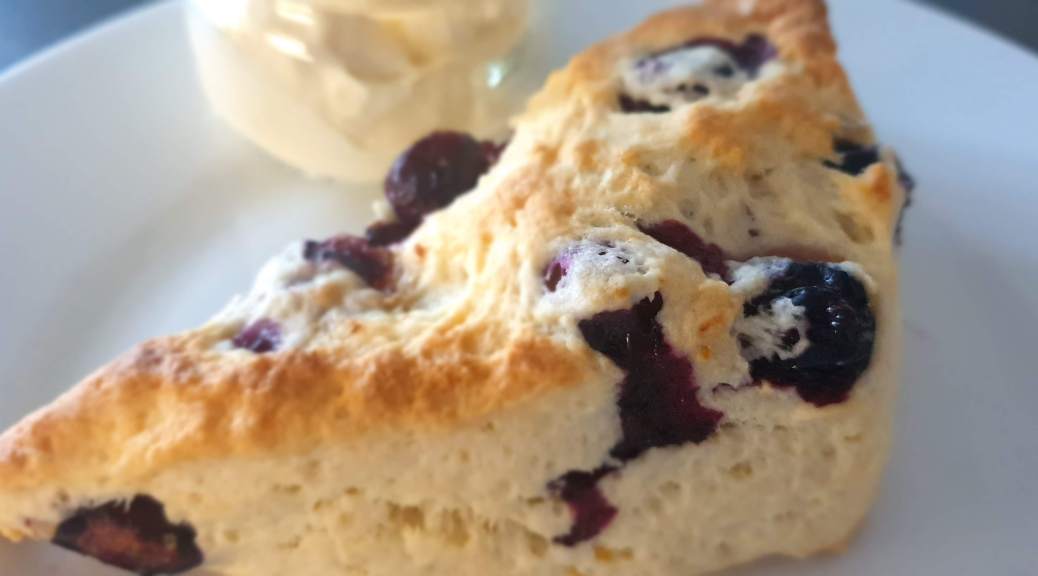
It started with a scone. Lemon blueberry scones, to be exact. I’m not sure why…I think I was just hungry for them. So, I found a recipe on Pinterest and made my own sweet lemon butter to accompany the scones, and left a few by my friend’s door. Who doesn’t love waking up to fresh, warm scones and fancy ass butter?
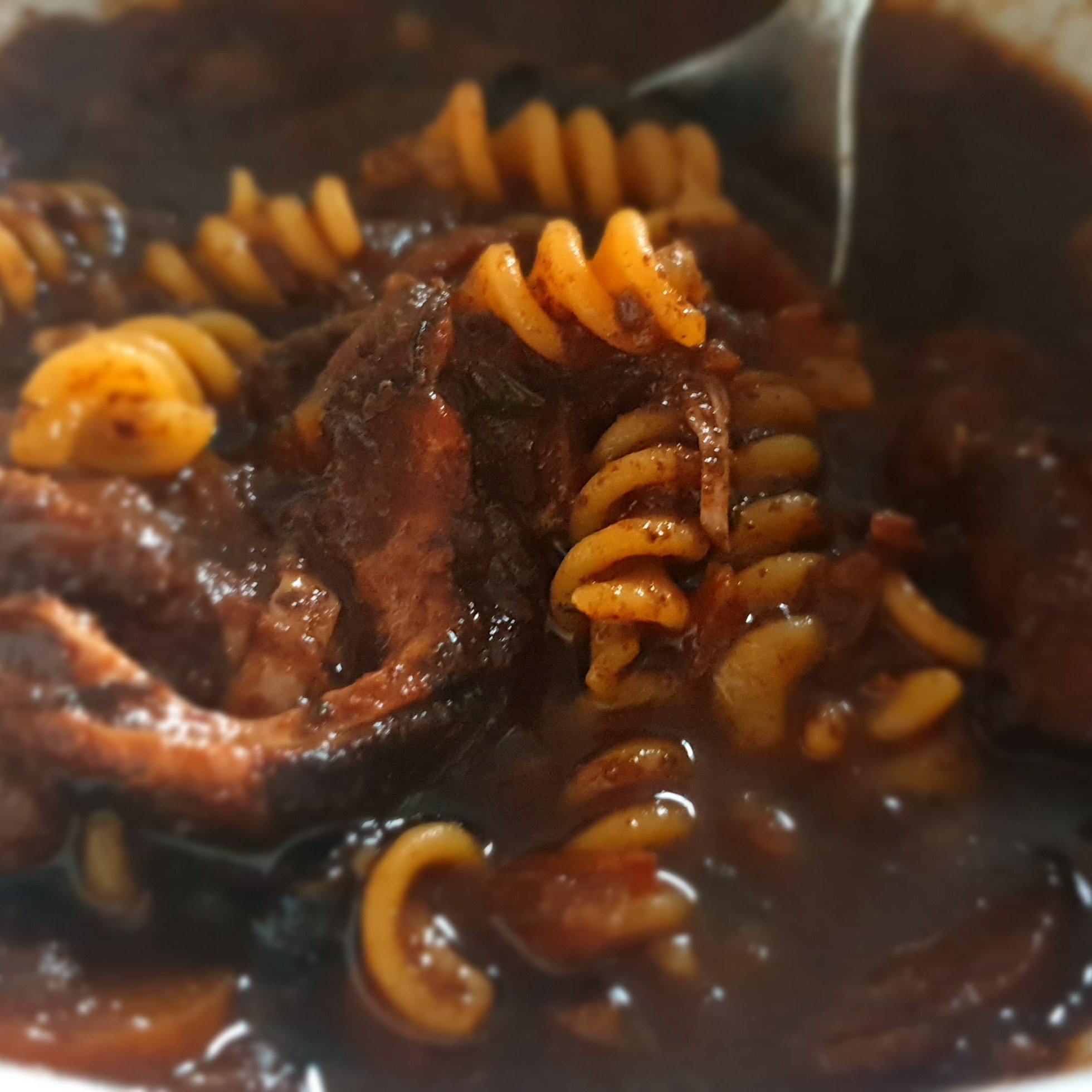
In her gratitude, she reciprocated with something, and based on my picture timeline from back then, it appears to have been a braised beef stew (listen, it was a long time ago at this point and did I mention my mixology talents that blossomed?) From that point on we went back and forth for weeks making each other meals, each one growing more and more elaborate. Progressing onward to drink pairings, desserts, and then late morning affogatos. We really did start to lose track of time as the lockdowns continued and mealtime was pretty much whenever we felt like cooking and eating.

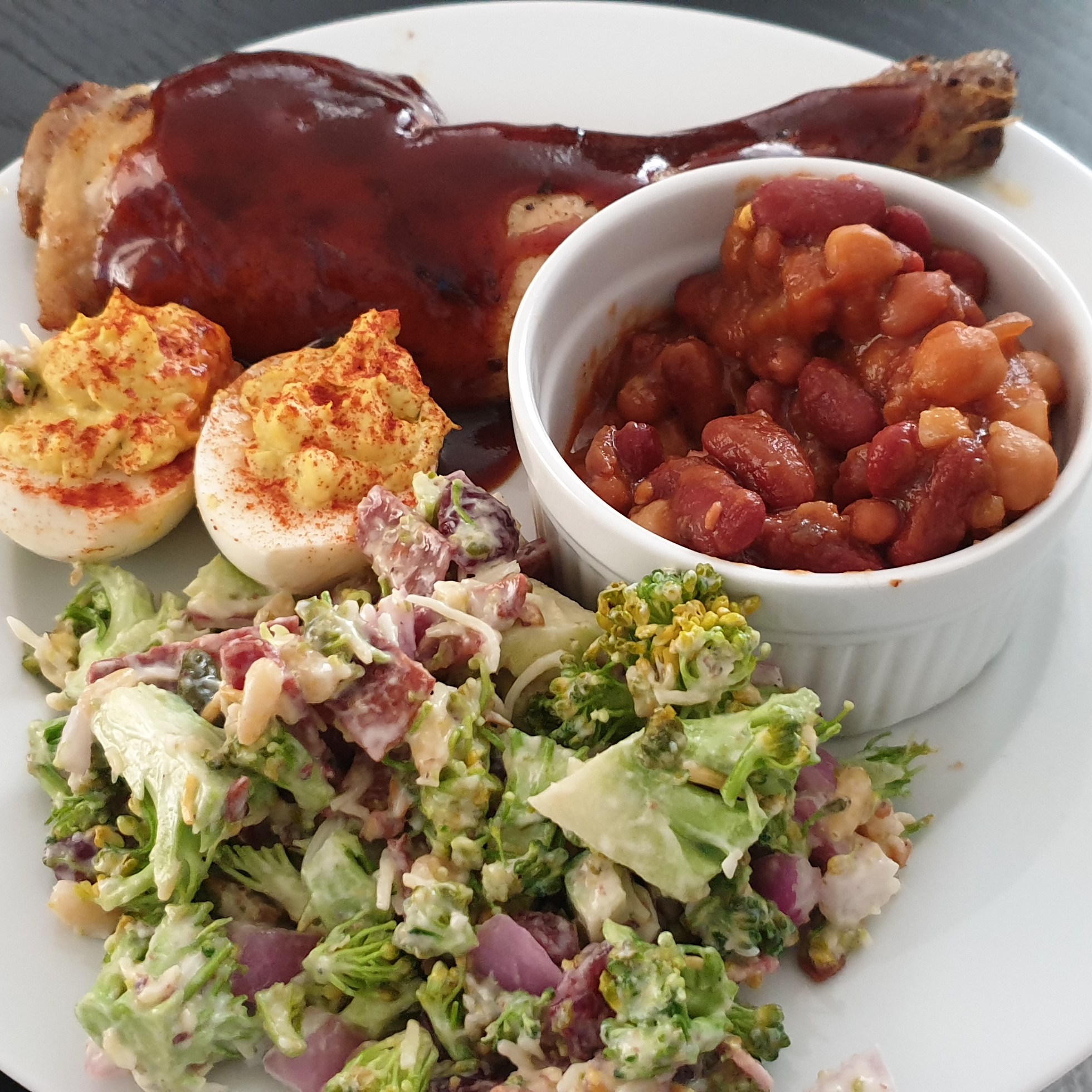
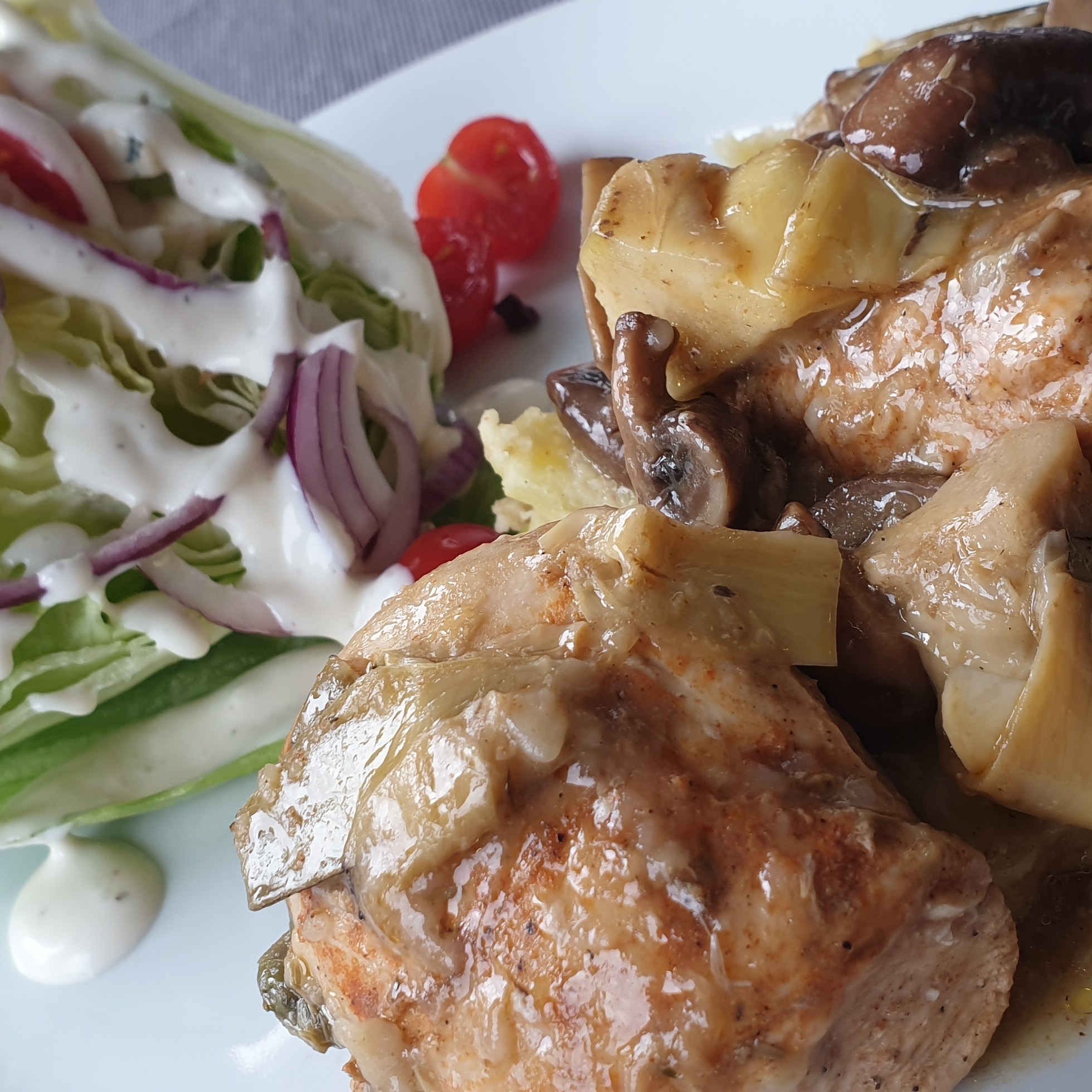
At first I was going to list recipes for this post, but then realized it meant copyright infringement in some cases and in one case tracking down a family recipe to post online. I also decided that recipes are plentiful online so who needs another chicken and artichoke dish or baked beans recipe to try out? The real story is in the act of sharing the food itself.
There were a lot of things that could have brought us together during the lockdowns. It isn’t as though we didn’t know the woman who lived below us. We already called her a friend and I had been watching her cat while she was overseas (Canada) getting married (nearly getting stuck there). We just hadn’t reached the part of a friendship where we had really done much together away from home. The apartment below us was a short term rental and we had befriend each of the new tenants who hung their hat there, but only one would be locked down with us for the next three months, then off and on for the rest of 2020.
My dissertation focused on food, nutrition, and ADHD through a One Health lens, so it is not a new concept to me how food can become so much more than just something that sustains us. The flavors and cooking methods are rooted in tradition and culture; food choices and agricultural practices are rife with ethical considerations; and the molecular, chemical, and physiological reactions within each of our unique and individual bodies determine our health outcomes, weight, disease risk, gut microbiome, and so many other aspects of our being.
Cooking for another person is a type of care and nurturing, and for some it might even be a way of expressing love or endearment. It is a basic need and as we all eat to survive, it can even sometimes be taken for granted. It can be part of a courtship in an effort to win the heart of another, to the more nefarious of reasons using it as a means to control, punish, or bribe. That is beyond the scope of this post, but essentially, the preparing of a meal from one person to another can have multiple meanings and serve any number of purposes. In our case, it was friendship and little bit of healthy competition.
Sharing a meal with another person spans so many interesting facets of the human condition. Do you sit quietly at the table with one another? Listen to music or watch TV? Engage in lively discussion? A little bit of everything? And why? Was this what your parents did? Did you get into trouble for speaking at the dinner table? Maybe you’re from 1980s America and lived the latchkey life. My son has misophonia and loathes the sounds of chewing, so if he joins us he wears headphones or requires, at the very least, lots of noise around him. Our meals during the covid lockdown, when shared with our friend and neighbor, were filled with laughter, stories, and sometimes even a little venting in solidarity over how the U.S. was handling the whole pandemic (she is also an American expat). What we were eating mattered a lot less in the sharing of the meal because what we gained was companionship in a time of uncertainty and isolation.
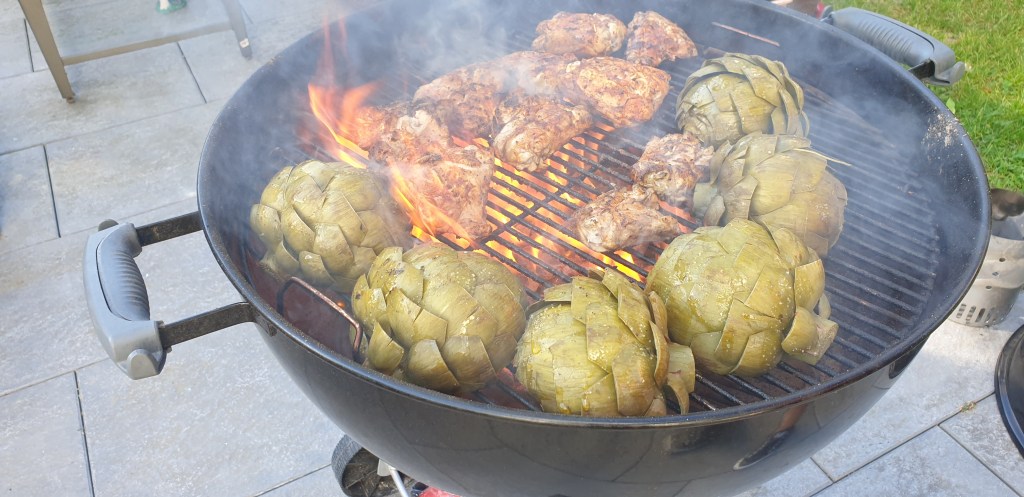
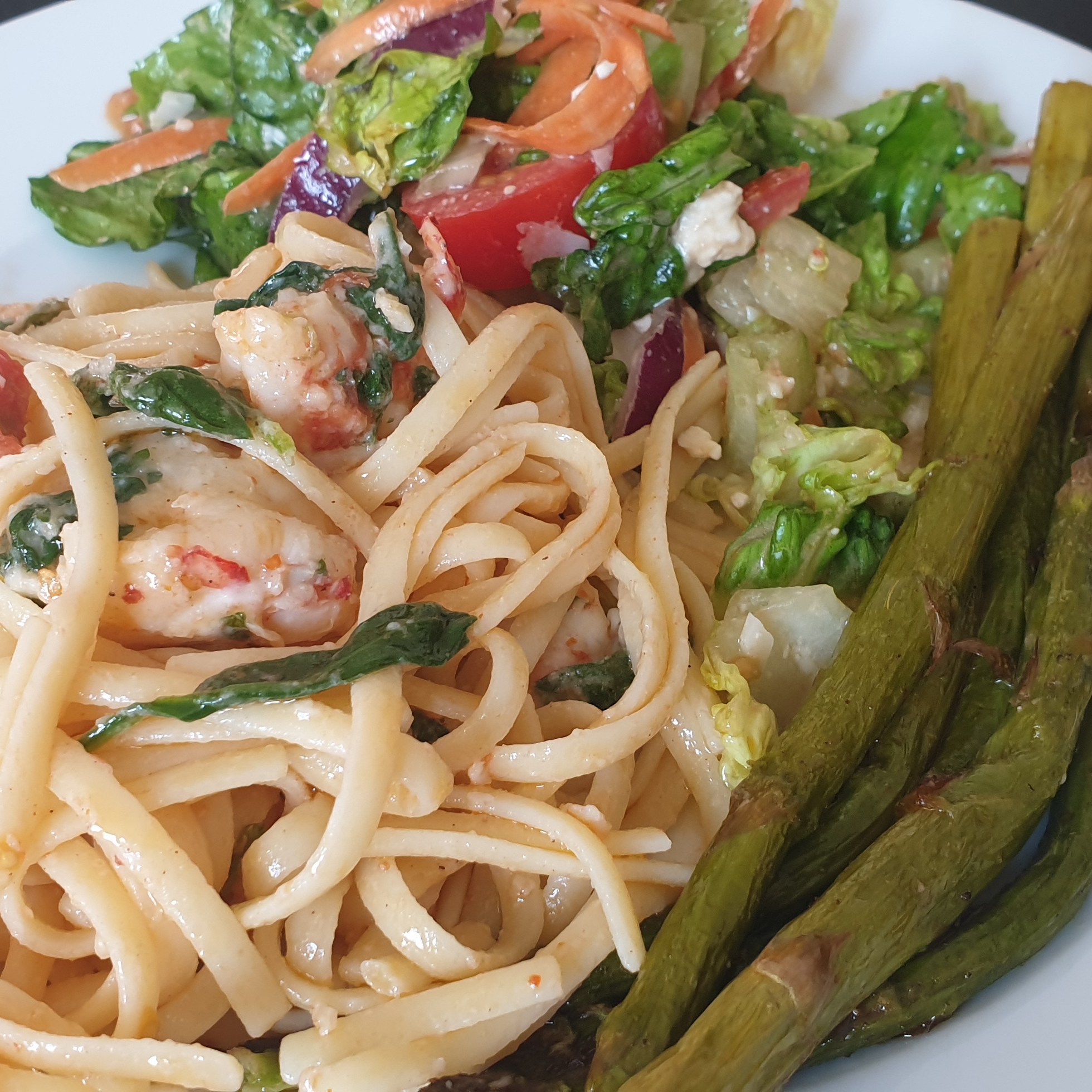
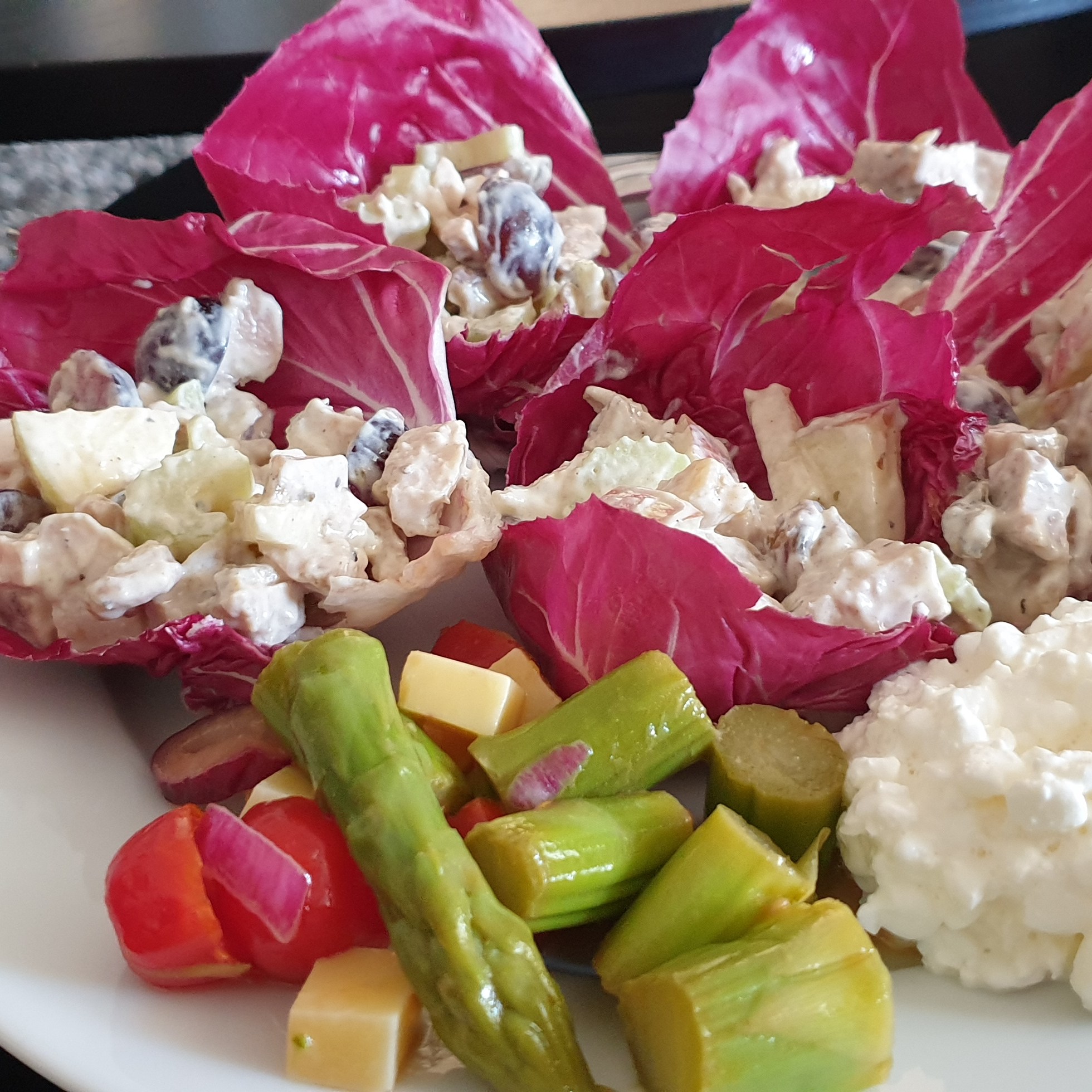
The foods, themselves…well, the lockdown spanned late winter to late spring, so they were everything from the stew I mentioned to grilling artichokes and chicken, denoting a seasonal link to each meal. I do recall niçoise and wedge salads and lots of fresh asparagus. This brings me to the spargelzeit that overlapped the stay-at-home orders. Spargel is the German word for asparagus and they take their asparagus harvest very seriously there. It was the one year I know we didn’t go out for a meal to have the traditional white asparagus with hollandaise sauce and boiled potatoes (it’s a very pale plate of food, but thankfully not the only option you’ll find on the menu). Instead, we had to buy them at the store and prepare them ourselves. I was too afraid to figure out the machine that peels the spargel for you, so I sat there peeling mine by hand. At any rate, we prefer the green asparagus anyhow, so that’s what we mostly consumed. It was still, nevertheless, a small disruption to the culture of Germany in springtime.
The result of this whole endeavor was manifold. I learned several new cooking techniques, my friend and I both kept busy by researching recipes and cooking while my partner and son reaped the fruits of our labor, and we created bonds, memories, and a tiny community in the midst of a global tragedy. It wasn’t all perfect, and I’m fairly certain there were a few flops on the menu – it couldn’t have been one banger after another – but I wouldn’t trade any of it for the world. Bon appétit!
Side Quest: Are we the only species on the planet that consumes foods that are “out of season” because we can…we can can? Sorry, we can CAN. No, hang on. We are capable of putting things into jars to preserve them!
Anyhow, the answer is no. Most of us know that squirrels store nuts, but shrews poison their prey to paralyze them, while moles bite the heads off of worms, each keeping them alive until they are ready for consumption. Shrikes impale their prey on spikes then essentially dehydrate the meat to eat later while certain woodpeckers store seeds in trees, much like a granary.
The most upsetting example I had the misfortune of encountering in person was when I tried removing some mud dauber organ nests (thinking they were abandoned) and two of the mud pipes were filled with orb weaver spiders, moving sluggishly about. I don’t consider myself squeamish, but I wanted to set myself on fire after that.
There are several other, less disturbing, examples of food storage and preservation in nature. What sets us apart is that we distribute foods around the world in order to consume certain fruits and vegetables out of season, and some of our preservation methods are not exactly healthy. We may not have invented food preservation, but our species certainly perverted it.
Discover more from One Health Stories
Subscribe to get the latest posts sent to your email.
 One Health Stories