
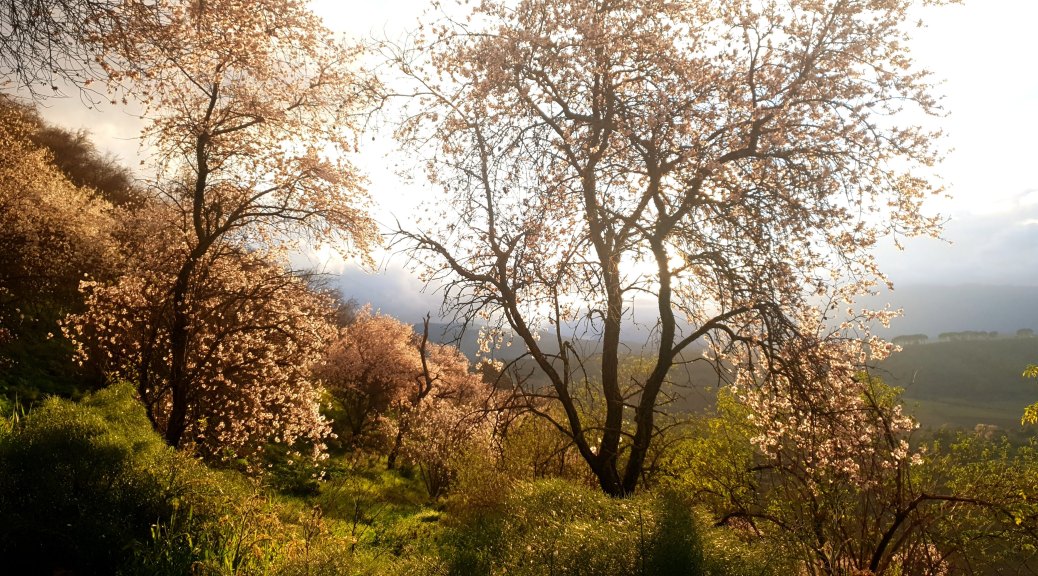
This morning I woke up thinking about the concept of healing. Specifically how nature has the ability to recover from disasters, and how, in some bleak cases, it might not. I set out to research nature’s restorative and regenerative abilities, only to find that, regardless of how I arranged and chose my search terms, the internet consistently thought I was asking how nature heals us. Humans.
I suppose this makes sense – humans are the users of the internet. We have a narcissistic quality in our collective existence. And we drive results that ask about the “healing powers of nature” and “restorative green spaces” and “forest bathing” (which isn’t what you think it is).
After taking a moment to contemplate both the results I was generating and the results I had hoped for, I realized that humans ARE, in fact, part of the One Health trifecta and should not be unevaluated.
So, would I look at how humans regrow tissue and overcome trauma, or would I look into the “restorative properties of nature”, as insisted by my search results? Maybe both. The one thing I do know is that it might require a few posts to really explore it all. For this post, however, I think I’ll stick to our connections.
We are connected to one another, whether we like it or not. We learned about the circle of life and food pyramid in grammar school, so we understand the basic truths about existing on this planet together. Those charts, however, always placed humans as center (or on top) and the animals and plants living in servitude to us. What if, instead, we were equals? All participating in an ebb and flow of energy, life, and being.
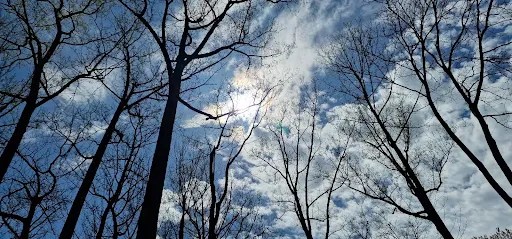
The best place to begin, in my opinion, is not with humans. It is, instead, the environment – the trees, grasses, shrubs, cacti, rocks, rivers, & soil. The environment cradles all that the Earth contains, like a mother swaddling her young. It provides nourishment and safety; gives shelter and provides the fresh air we need to breathe; filters the water we need to drink and maintains a habitable place for the life that has evolved to roam this planet. Like any other living being, it suffers trauma, hardship, and loss, bearing deep scars as proof of our destruction through mining, deforestation, agricultural practices, and neglect. Although fires, floods, and other natural disasters also occur, leaving the environment badly damaged, it is through our neglect where catastrophic and irreparable wounds have been left. But yet…a forest fire opens up seeds from ancient trees, a mining hole fills with water and fish, and like most parents do, the environment fights for healing and stability so it can continue to nurture and give life to species it has always protected. Our forests, waters, and lands are the sentinels of this planet.
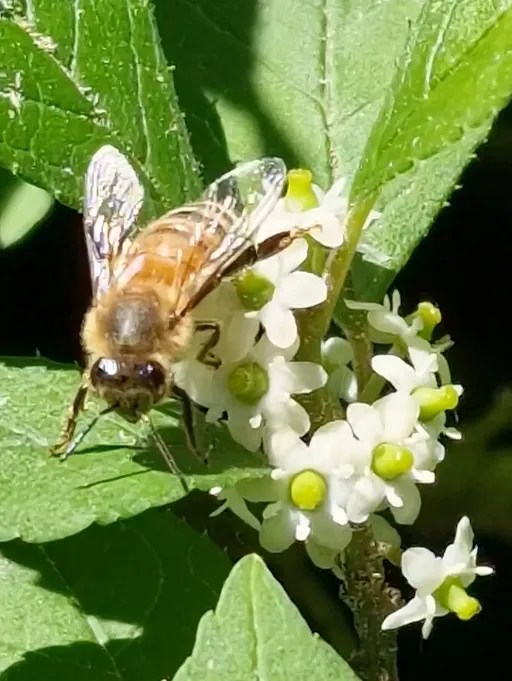
The animals (not human) include wildlife, domestic, and agricultural animals, arthropods, sea critters, and even the tiniest microorganisms deep in the ground or in our guts. Like the environment, it is a vast group. A lot of One Health practitioners spend a great deal of time focused on production and companion animals, but this leaves out more animals than it includes.
Throughout recorded history there have been species lost to disease, competition, a failure to adapt, or simply (again) from human behaviours. Animals cannot vote for politicians who might protect their best interest, nor can they grow gardens or plant trees – well, not willingly. They do distribute seeds in their fur and waste, they add richness to soil, they keep each other’s numbers in check, filter our oceans, and decompose organic matter. Apart from giving back to the environment and participating in a sort of circular economy, they have very little control over what happens on this planet. When there is destruction to their livelihood, how are they able to cope? Or when there is direct harm to their being or their species, how do they recover? Individual wounds may heal and some species may regrow entire limbs, but can they overcome the pressures of a changing climate or loss of habitat? What agency do they have when they are captive in pens or fed poisons? Without the aid of humans, is it possible for challenged species to survive? Or are they stuck on the long, arduous path of hoping they evolve in time before they become extinct?

There is a term, ecosystem services, used by scientists (i.e. ecologists, environmental scientists). It describes the services an ecosystem can provide to humans. There are four categories of ecosystem services: provisioning (i.e. food, water, fuel, building material like wood and clay, etc.), regulating (i.e. pollination, filtration, decomposition, etc.), cultural (i.e. landscape, climate, and anything that might shape a human culture), and supporting (i.e. nutrient/water cycling, photosynthesis, etc.).
I’m not a big fan of this term – at least not in the way we use it. All of these processes can still exist without being labeled as services. Specifically, services to humans and no other. They allow all life to thrive on this planet. However, if we were to consider what OUR services are to the ecosystem, would that return us to part of the system, rather than above it?
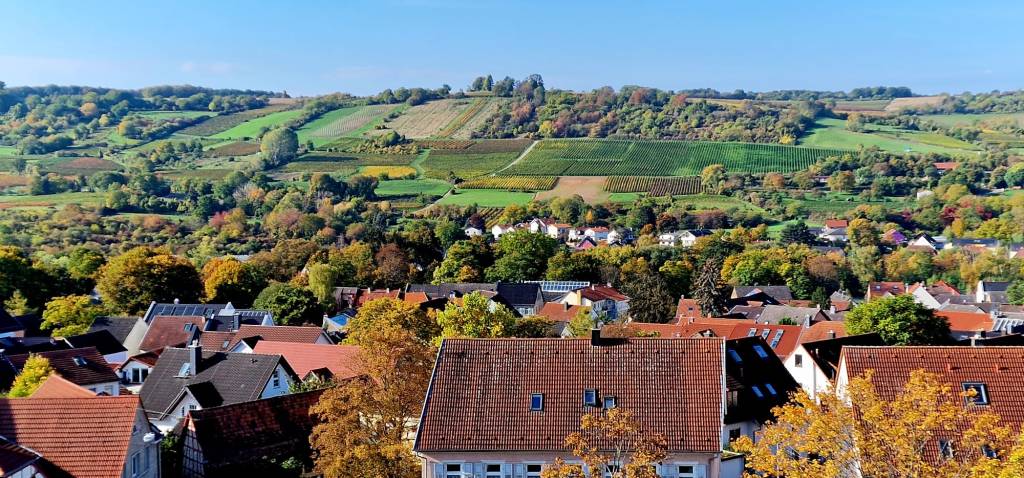
The resilience and fortitude of humans is unparalleled. We continuously invent new, creative ways to reduce our healthy years, while still maintaining living bodies. For the most part, our species isn’t regenerating or evolving (at least, not at a rapid pace) – we are merely using our intelligence to sustain life, despite unhealthy habits. That is not to say that our bodies, in their most natural state, do not have regenerative qualities. The liver can regenerate, finger tips can grow back, nails, hair, skin cells too. Our wounds heal, we overcome illness. We are not unlike most of the other animals on this planet. In the larger context, our species is not particularly remarkable, apart from our brains (which we have also failed to nurture). Modern humans also tend to demand more of their world and require more to survive. We are a seemingly vulnerable species, yet we identify as an apex species.
However, when we are the best versions of ourselves, we do fight for environmental justice and animal welfare, we aim to leave this world better than we left it, and we try to reduce our carbon footprint. If we are good to ourselves, we eat healthier foods, move, meditate, and live mindful existences. Each of these efforts towards that healthier life do not make a person more reliant on the environment or other animals, they simply make them more aware of those bonds.
Can that awareness also bring a deeper connection to our natural world that one may term “love” or “respect”? Allowing that awareness to bring forth a collective mindful appreciation for all the natural world provides could potentially regenerate the love we once had for this planet. It isn’t a romantic love, but one that is much more akin to loving ourselves, our bodies, our life and knowing that we are all important. Not just as individuals, but also as a collection of species and life.
In my following posts, I will explore each of the three One Health components deeper. I hope to learn more about what regeneration looks like for each, and whether or not it is even possible when you separate out the other two.
Discover more from One Health Stories
Subscribe to get the latest posts sent to your email.
 One Health Stories
One thought on “Regenerating Life and Love: Introduction”